












The Allure of Chance in Casino Games
The appeal of casino games largely stems from the element of chance. Players are drawn to the uncertainty and the excitement that comes with each spin of a slot machine or roll of the dice. This unpredictability triggers a psychological response; the human brain is wired to seek out novelty and potential reward, which is why games of chance can be intoxicating. The thrill of potentially hitting a jackpot creates an adrenaline rush that keeps players coming back for more. When considering the variety of options, many players also explore online casinos not on gamstop to find the best opportunities for excitement.
This attraction is compounded by the concept of «near misses,» where players almost win but fall short. Research indicates that these near misses can motivate further play, as they reinforce the belief that a win is just around the corner. This psychological phenomenon highlights how luck plays a dual role in gambling: it is the primary driver of excitement and the source of frustration that compels players to keep trying.
Psychological Factors Influencing Game Selection
The choices players make in casinos are influenced by a combination of psychological factors. For instance, personal preferences, risk tolerance, and even social influences can dictate which games attract players. Some individuals may prefer games that allow for strategy and skill, like poker, while others may gravitate towards pure chance games, such as roulette. These choices often reflect broader personality traits and a person’s approach to risk.
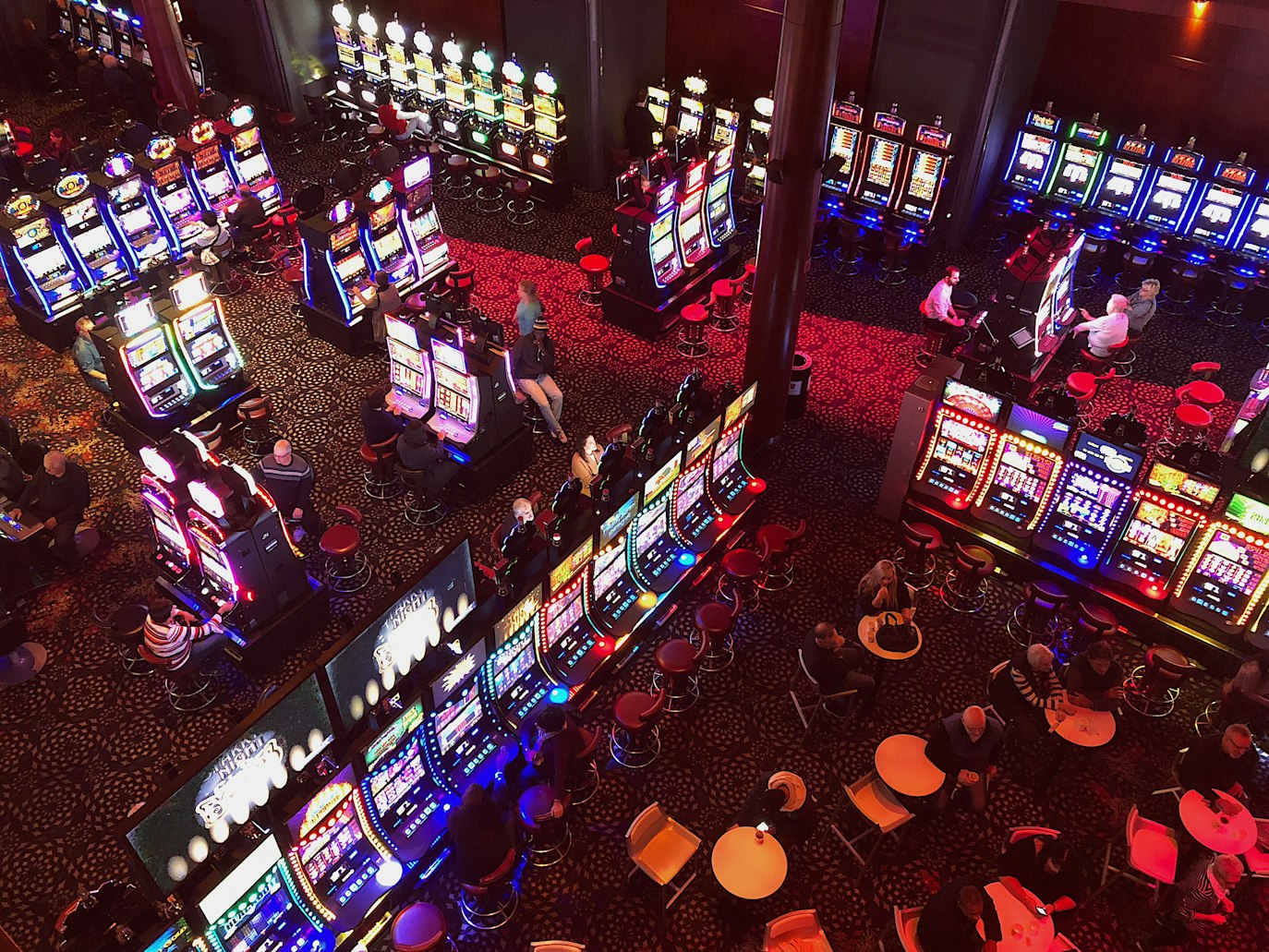
Moreover, the environment of the casino itself plays a vital role. Color schemes, lighting, and music are meticulously designed to create an atmosphere that enhances the feeling of luck and fortune. This carefully curated environment can sway players towards specific games, making them feel more inclined to participate in certain activities within the casino.
The Role of Cognitive Biases
Cognitive biases are significant when it comes to how players perceive their luck in casino games. One prominent bias is the «gambler’s fallacy,» where individuals believe that past outcomes can influence future results. For example, if a player sees a particular number come up several times on a roulette wheel, they may incorrectly assume it is due for a loss, prompting them to make bets based on this flawed reasoning.
These biases not only skew decision-making but also impact how players assess their overall performance. A player who wins a few times may develop an inflated sense of their skills, attributing success to their abilities rather than sheer luck. This can lead to riskier behavior and increased spending, as they chase the high of winning, further intertwining psychology with the dynamics of casino gambling.
Luck as a Psychological Comfort
Luck serves as a psychological comfort for many players in the realm of gambling. The belief in luck can create a sense of control, even in situations governed by chance. Players often engage in rituals or superstitions—like wearing lucky clothing or performing specific actions before a game—in the hope that these behaviors will positively influence their outcomes. This need for control in unpredictable environments is a quintessential part of human nature.
Furthermore, the belief in luck can affect how players cope with losses. Those who see themselves as lucky are more likely to recover from setbacks and continue playing, reinforcing the cycle of gambling behavior. The mental framework surrounding luck fosters resilience, allowing individuals to emotionally detach from negative experiences while still pursuing the thrill of chance.

Ensuring a Safe Gaming Experience
In today’s digital age, finding a secure platform for gambling is crucial. Websites offering casino games must prioritize safety, providing users with resources and protection against online threats. Advanced security measures ensure that players can engage in their favorite games without fear of unauthorized access or attacks. These safeguards foster a reliable browsing experience, helping users focus on the enjoyment of gaming rather than security concerns.
Overall, understanding the psychology behind casino game choices and the role of luck can enrich the gaming experience. As players navigate the complex world of gambling, the importance of a secure platform becomes paramount, ensuring that their focus remains on enjoyment and strategy rather than vulnerabilities. By creating a safe environment, casinos can enhance player satisfaction and foster long-term engagement.